
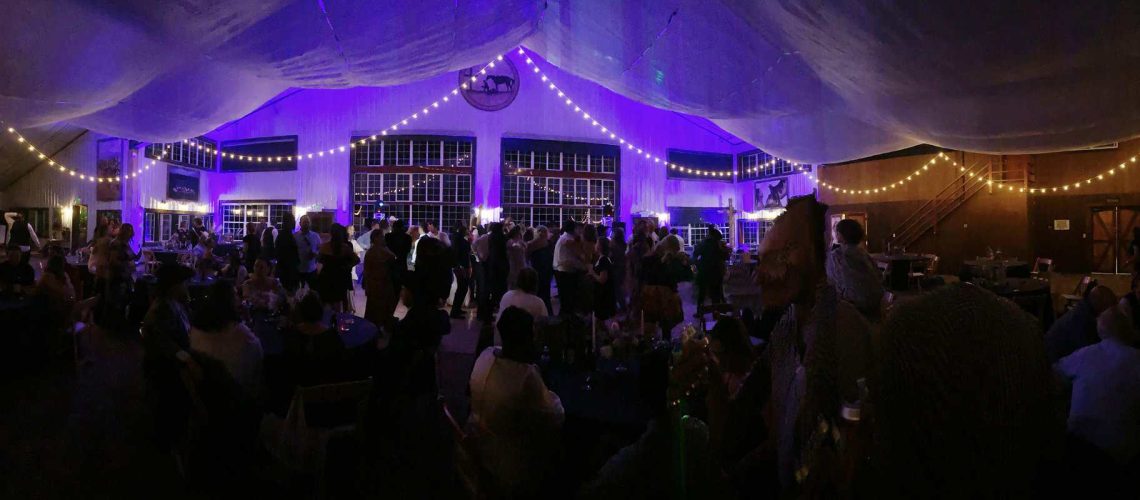
Music plays a far bigger role in your wedding day than most couples realize. The right music doesn’t just fill silence—it sets the tone, guides emotions, and quietly shapes the success of the entire event, and the right wedding DJ knows how to make this happen.
Let’s break down how to choose music that actually works, starting with the ceremony and carrying through the night.
Ceremony Music: What You Need to Decide
Your ceremony needs a clear musical plan, not just a playlist.
Prelude Music (about 15 minutes)
Prelude music signals to guests that the ceremony is about to begin. Just because the DJ is set up 45 minutes early doesn’t mean more music is better. When timed correctly, prelude music naturally encourages guests to take their seats—no announcements needed.
Groom or Officiant Entrance
This is typically the first formal moment of the ceremony. The song may overlap with the prelude or be a specific selection.
Bridal Party Entrance
This moment deserves its own song. Your closest friends and family are walking in to stand beside you during one of the most important moments of your life—it should feel intentional and highlighted.
Processional
This is your entrance. Choose a song that feels meaningful and fits the emotion of the moment as you walk in with your father, family member, or close friend.
Unity Ceremony (Optional)
Whether it’s a sand ceremony or candle lighting, music here is optional. It can be DJ-provided or, for a more intimate touch, a live musical performance.
Recessional
This is a must-have song—and it should be upbeat. You’re transitioning from ceremony to celebration, so energy matters. A fun, joyful song sets the tone for cocktail hour and the party ahead.
Cocktail Hour & Dinner Music: Setting Up the Dance Floor
Many couples underestimate how important cocktail and dinner music is. This music quietly prepares your guests for the dance party later.
“Best of” playlists are helpful starting points, but they’re not a complete solution. An experienced DJ still needs to hand-pick songs that fit your guests and your crowd.
Well-chosen background music:
- Warms up your future dance crowd
- Reduces the need for microphone hype later
- Creates energy without overpowering conversation
Pro tip:
Use cocktail hour to play music you love that might not work on the dance floor. It’s also a great time to cater to older generations. Younger guests tend to enjoy a wider range of music, while older guests appreciate familiarity—especially before dancing begins.
Keep cocktail and dinner music upbeat and fun. Too many ballads can actually make guests feel tired or sleepy. Save slower songs for the dance portion of the night to give dancers an occasional break.
Making a Smart Request List
If you’re hiring an experienced DJ, less is more.
When making a request list for your DJ, I typically recommend 15–20 song requests, with a maximum of about 30. Remember:
- 15 songs = roughly one hour of music
- 30 songs = potentially your entire dance set
The longer the list, the less freedom your DJ has to read the room—and crowd-reading is one of the most important DJ skills. That ability only comes with years of experience.
A good breakdown looks like this:
- 10–15 songs for cocktail hour & dinner
- 10–15 songs for dancing
Dance songs must be danceable. For example, Bohemian Rhapsody is an iconic song—but it often works better during dinner or right before the dance floor opens, not in the middle of a high-energy dance set.
Use Genres, Not Just Songs
A great rule of thumb is specific songs + genres.
Request about 10–15 must-play songs, then let genres guide the rest. This gives your DJ flexibility while still honoring your taste.
Some examples:
- Jazz / Big Band – Frank Sinatra, big band
- Oldies (50s–60s) – Elvis, Beach Boys, Isley Brothers
- 1970s – Disco, Classic Rock, Top 40
- 1980s – Rock, Pop, Alternative, Hip Hop, New Wave
- 1990s – Alternative Rock, Pop, Hip Hop, Techno, Ska
- 2000s–2020s – Pop, Hip Hop, EDM, Dance
- Country – Classic, 90s, 2000s, 2010s, 2020s
- Texas Country – increasingly popular and worth specifying
Genres give your DJ a well-rounded picture of what you enjoy.
Don’t Forget the “Do Not Play” List
Your No Play list is often more important than your request list.
Include:
- Songs tied to family funerals
- Songs connected to past relationships
These tracks can instantly kill the vibe if played at the wrong moment.
Key Takeaways
- Your ceremony exit song should be upbeat and celebratory
- Cocktail and dinner music still needs intention and customization
- Keep background music lively—it sets up the dance floor
- Cater to non-dancers through background music, not the dance set
- The best request lists are 15–20 songs
- Genres help your DJ do their job better
For more questions, contact Tyler@abpdjs.com.
I began my DJ career in 1987 and started DJing weddings in the early 1990s. As of January 2026, I have personally DJed over 800 weddings.